

Two Gardens
What do we do when God calls our name?

Read It
“Where are you?”
— Book of Genesis 3:9“Jesus said to her, ‘Mary.’ Turning around, she said to him, ‘Rabboni!’”
— Gospel of John 20:16
Two gardens.
Two names spoken.
Two very different responses.
Take It to Heart
Gardens are supposed to be places where things grow. Places of order, care, and patience, where effort eventually turns into abundance and sustenance.
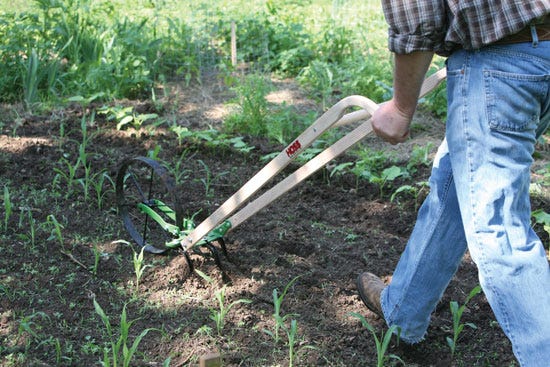
I grew up around one big enough to feed three families. Rows of corn stretching farther than they felt wide when you were small. We usually worked it late morning, after the cows had been milked and before the heat turned cruel. The smell of fresh dirt, tomato plants, and corn silks hung in the air. Cows were nearby hoping to get a snack.
The dirt was tilled so well it felt like walking through sand at the beach. Ditches and hills. Ditches and hills. Especially when you were wearing tennis shoes. Because who in the world wants to wear boots with shorts?
There was no shade in that garden.
No cover.
Nowhere to hide.
Which is interesting, because two of the most important moments in Scripture didn’t just happen in gardens, they revealed what we do when God calls our name.
One afternoon in fourth grade, I brought home a sad-o-gram for missing my homework. Yes, a sad-o-gram. It was the 80s, man, I say in my best Bandit-from-Bluey voice. It needed to be signed by my parents.
I walked in the house, laid it on the table, and kept right on walking out the back door, past that garden.
I didn’t want to disappoint my Mama.
She came out calling my name, reassuring me that it was a simple mistake. All was fine. Then she reminded me she had already told me to check my homework every night before bed so things like that wouldn’t happen.
Sound familiar?
God did the same thing in the garden of Eden. He didn’t come yelling. He came walking. Calling. Naming.
Adam and Eve knew exactly what that voice meant, and instead of stepping forward, they hid. Shame had entered the story, and suddenly being known felt dangerous.
Fast forward to another garden.
Mary came early that morning to prepare a body, but I like to think a part of her had been counting the days. The three Jesus mentioned more than once. When she saw the empty tomb, I imagine relief and fear crashing into each other. Relief at not seeing death. Fear at not finding Him.
Then Jesus said her name.
Mary didn’t hide. She didn’t retreat. She stood in the open, and joy rushed in.
Names do that.
Seeing my children for the first time was magical. Hearing them say “Da Da” for the first time was something else entirely. I would sit and hold them forever just to here my name repeated over and over. Being recognized brings connection. Being called by name brings clarity.
The first time God called someone by name in a garden, humanity hid in shame.
The next time, a woman stood fully seen and fully restored.
There are still times I want to hide when I mess up. Avoid God. Delay the conversation. But just like that garden on the farm, He already knows where I am and the condition I’m in.
Most of the time, I come asking forgiveness. And every time, I’m reminded that what I’m really after isn’t relief from guilt, it’s relationship.
The story of Scripture isn’t about humanity finally finding God.
It’s about learning we no longer have to hide when He calls our name.
The voice never changed.
The garden did.
Live It
Pay attention to your instinct after you mess up.
Do you hide, distract, delay, or deflect?
Try responding instead of retreating.
Grace didn’t remove accountability.
It removed the need to hide.
Go Deeper
Where do I tend to “walk past the garden” instead of facing God?
What emotions surface when I feel fully known?
In what ways do I still react to God like Eden instead of the resurrection?
What would change if being called by name no longer felt threatening?
Dinner Table Devotions (For the Family)
When you mess up, do you usually want to hide or talk about it? Why?
Why do you think hearing our name from someone who loves us feels different than hearing it from someone we’re afraid of?
What can we do as a family to help each other step forward instead of hiding when mistakes happen?
This is great and timely as I teach my 8 year old son life's lessons. I also heard a pastor once say we can either wear the fig leaf of shame or be dressed in His breastplate of righteousness. I see that contrast in the two gardens you write about.